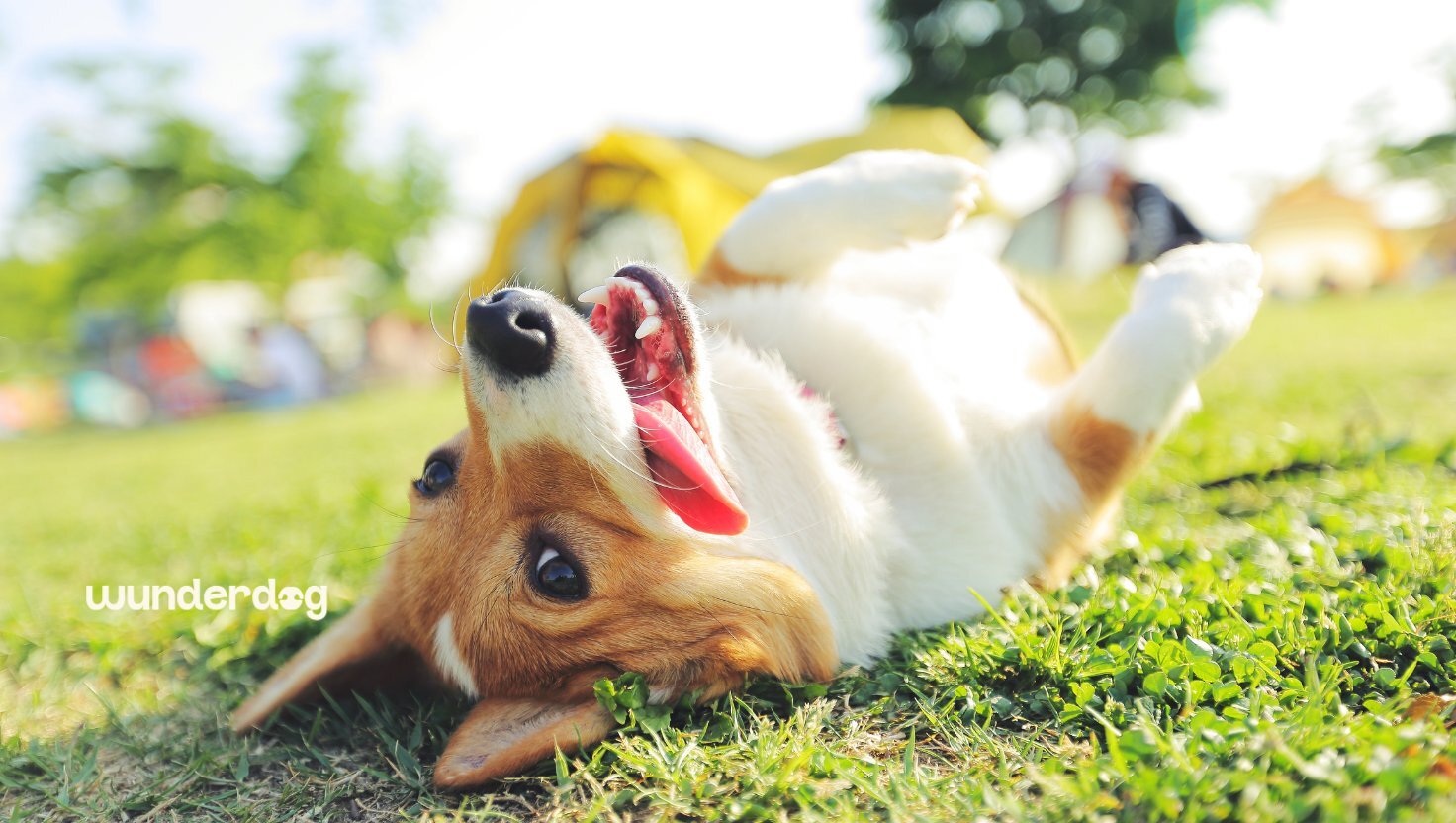
Back to blogs Happy corgi lying on grass outdoors during sunny weather, representing dogs staying active and comfortable during summer heat in the UAE.

Why your dog won't eat in summer: what to do about it

Alaa Mneimneh | Jun 5, 2026
Fresh Dog Food
Bone Broth
Hydration
Summer
You’ve put down their bowl. They walk over, sniff it, then walk away.

You’ve put down their bowl. They walk over, sniff it, then walk away.

If your dog’s appetite has suddenly dropped now that summer has arrived, you’re not alone. Reduced appetite during UAE summers is one of the most common concerns dog owners bring to their vets.

In many cases, it is completely normal.

As temperatures rise, your dog’s body naturally starts focusing more on staying cool than eating full meals. Here’s why it happens, what’s considered normal, and when it’s time to speak to your vet.

Why dogs eat less in summer

Dogs regulate body temperature mainly through panting. During UAE summers, especially from May onwards, staying cool becomes hard work for the body.

Eating also creates heat.

When your dog digests food, their body generates internal heat as part of the digestive process. In cooler weather this is not a problem. In hot weather, the body naturally tries to avoid producing extra heat wherever possible.

The part of the brain responsible for temperature control also affects appetite. When body temperature rises, hunger signals often decrease too.

Put simply: your dog’s body is trying to stay cool, and eating less is one way it does that.

How much appetite loss is normal?

A mild drop in appetite during hotter months is usually nothing to worry about.

Many healthy adult dogs may:

  • eat a little less than usual
  • eat more slowly
  • seem less excited about meals
  • occasionally skip a meal on especially hot days

This is similar to how people often eat lighter meals in extreme heat.

As long as your dog is:

  • drinking normally
  • maintaining energy levels
  • not losing noticeable weight

A temporary reduction in appetite is usually considered normal.

What’s not normal

Contact your vet if your dog has:

  • refused food completely for more than 48 hours
  • noticeable or sudden weight loss
  • vomiting or diarrhoea
  • lethargy or weakness
  • dry or sticky gums
  • disorientation or collapse

These symptoms can point to dehydration, illness, or heat-related complications.

Other reasons dogs stop eating in summer

Dehydration

Dogs that are not drinking enough water can start feeling nauseous or uncomfortable, which often reduces appetite.

A quick way to check hydration at home:
Gently pinch the skin at the back of your dog’s neck. It should spring back immediately. If it stays tented for a second or two, dehydration may be a factor.

Changes in routine

Summer often brings schedule changes:

  • school holidays
  • travel
  • guests visiting
  • different walk times
  • less outdoor activity

Dogs thrive on routine. Even small disruptions can temporarily affect appetite.

Food loses appeal faster in heat

Dogs rely heavily on smell when deciding whether they want to eat.

In warm conditions, food left sitting out too long goes stale and spoils faster. Your dog may still be hungry, but less interested in food that smells stale or unappetising.

Boredom with the same meals

Summer lethargy can make repetitive meals feel even less exciting.

Sometimes a small change in texture, temperature, or flavour variety can help renew interest in meals.

Parasites and underlying illness

Ticks, fleas, and intestinal parasites become more active during warmer UAE months and can affect appetite.

If your dog is overdue for parasite prevention or a vet check-up, summer is a good time to revisit it.

What to do when your dog won’t eat

1. Feed during cooler hours

Try feeding:

  • early morning before 8am
  • later evening after 8pm

Avoid peak afternoon heat when your dog is already working hard to stay cool.

2. Offer smaller meals

Large meals generate more heat during digestion.

Smaller, more frequent meals are often easier for dogs to tolerate in hot weather.

3. Add moisture and aroma

Adding moisture to meals can help make them smell more appealing and easier to eat.

Fresh, gently cooked food is naturally moisture-rich and aromatic, which can help encourage appetite during hotter months.

4. Try cooling additions

Some dogs enjoy:

  • chilled toppers 
  • cucumber
  • watermelon cubes (seedless)
  • blueberries
  • carrots

Cool meals can feel more refreshing during hot weather.

5. Move the food bowl

Even indoors, bowl placement matters.

Avoid feeding areas that are:

  • near sunny windows
  • poorly ventilated
  • warm or humid

A cooler feeding space can help meals stay fresher and more appealing.

6. Keep bowls clean

Bacteria multiply faster in heat.

Wash your dog’s bowl daily with hot soapy water. Even slight odours can put some dogs off their food.

7. Store food properly

Food stored in warm conditions can lose freshness more quickly during UAE summers.

To help maintain freshness:

  • keep meals refrigerated or frozen as recommended
  • keep packaging sealed properly
  • avoid leaving food exposed to heat for long periods

The bottom line

A lighter appetite during UAE summers is often a normal response to heat, not a sign that something is wrong.

Work with your dog’s natural rhythm:

  • feed during cooler hours
  • prioritise hydration
  • add moisture to meals
  • keep meals fresh and appealing

As long as your dog remains hydrated, energetic, and maintains a stable weight, a smaller appetite in summer is usually nothing to worry about.

Fresh, gently cooked meals can also help support hydration and appetite during hotter months thanks to their natural moisture content and aroma.

Wunderdog meals are freshly prepared, portioned, and delivered ready to serve. Explore our taster pack to find flavours your dog enjoys most.
Related articles

Small brown and white dog sitting on a kitchen floor next to two white ceramic food bowls on wooden stands, looking up expectantly. Wunderdog logo appears in the bottom right corner.
Gently Cooked Dog FoodFresh Dog FoodCanine Nutrition

Why Dogs Become Picky Eaters in Summer and How to Help

Summer brings so many joys, those epic sunset walks, lazy afternoons in the backyard, and maybe even a dog-friendly beach trip or two. But if you've been scratching your head wondering why your usually food-obsessed dog suddenly seems "meh" about dinner, you're definitely not alone. Research shows that dogs naturally eat about 15% less during the warmer months compared to winter. It's like they have their own built-in seasonal eating plan. What's Really Going On? Think about it when it's blazing hot outside, are you reaching for that hearty stew or craving something lighter? Your dog's thinking the same way. Here's what's happening: They're naturally less active. Hot weather makes everyone (dogs included) want to move a little slower. Less zoomies around the yard means they don't need as much fuel in the tank. Their body's natural rhythm shifts. Those long, bright summer days can actually affect their hormones, slowing down digestion and making them feel satisfied longer. Eating feels like work when you're already warm. Just like you might skip that hot soup on a 90-degree day, your dog might pass on food when they're already trying to cool down. Your Summer Game Plan "It’s completely normal for dogs to have a reduced appetite in warmer weather. Their metabolic needs drop with lower activity, and heat can suppress hunger signals. That’s why feeding during cooler times of the day – early morning or after sunset – often helps them feel more inclined to eat," says our in-house veterinarian at Wunderdog. Here's what's happening and how to deal with it: The reality: Your dog's body is naturally adjusting to the season. They're moving less, their metabolism slows down, and eating large meals when it's hot simply doesn't feel comfortable. Your approach: Cut back their food by about 20-30% during peak summer months. Give them a lighter breakfast (30%) and save the bigger portion for evening (70%) when it's cooler. Stick with their usual food now's not the time for major changes. Most importantly, trust your instincts. If something feels off beyond normal summer sluggishness, don't hesitate to reach out. Ways to Make Mealtime Even More Appealing Here are some additional proven strategies that really work: Set up their dining area somewhere cool and breezy, maybe that shaded corner of the kitchen instead of by the sunny window. Try switching up their protein or adding something special like a splash of bone broth . Turkey with Honey is considered one of our lighter recipes, making it a great option for warmer days. "In warm weather, dogs may naturally eat less, but variety can help keep them engaged at mealtime. Rotating between lighter recipes, like turkey, lamb, or camel, can keep things interesting without overwhelming the digestive system. You can also add a functional topper like HydroHund or bone broth to enhance hydration and encourage eating, especially if your dog’s appetite is a bit off." says Dr George, our in-house veterinarian at Wunderdog. Feed them when they're naturally more interested, early morning before the heat kicks in, or evening when things cool down. You know how you're more interested in dinner at 6 PM than at noon on a hot day? Same concept. Keep those water bowls filled and fresh. Maybe even add an extra water station outside if they spend time in the yard. When Should You Actually Worry? A little summer pickiness? Totally normal. But keep an eye out for these warning signs: They're completely ignoring meals (not just being selective) Food sits untouched in their bowl for hours They seem unusually tired or off You notice they're losing weight If your dog goes on a total food strike or seems unwell, definitely give your vet a call. Sometimes appetite changes can signal other issues like infections or tooth pain. Still Feeling Unsure? Every dog is different, and you know yours better than anyone. If their eating habits have you concerned or they seem more lethargic than usual, just reach out to us. We're always here to help you figure out what's best for your pup.

Read More
Golden Retriever walking along the shoreline at sunset, wet fur glistening in the light, with gentle waves in the background – Wunderdog branding visible in the corner.
Fresh Dog FoodFunctional ToppersBone Broth

Why Water Alone Is Not Enough for Your Dog This Summer

The long, hot UAE summer is here and with temperatures soaring past 40°C, the heat can take its toll on even the healthiest dogs. While a full water bowl is essential, it is not always enough to keep them safe. In extreme heat, a dog’s natural cooling system works harder and their need for hydration increases sharply. The problem is, many dogs will not drink the extra water they need and that is when dehydration can quietly set in.

Read More
Black Dachshund wearing an orange dog life jacket standing on a UAE beach shoreline before swimming safely in the sea.
Bone BrothSummer PackSummer

Dog Won't Swim at the Beach? Here's Why, and How to Help

A day at the beach is one of the best ways to enjoy the cooler months in the UAE. But while some dogs run straight into the sea, others plant all four feet in the sand and refuse to go any further.

Read More
Back to blogs