Dog Won't Swim at the Beach? Here's Why, and How to Help
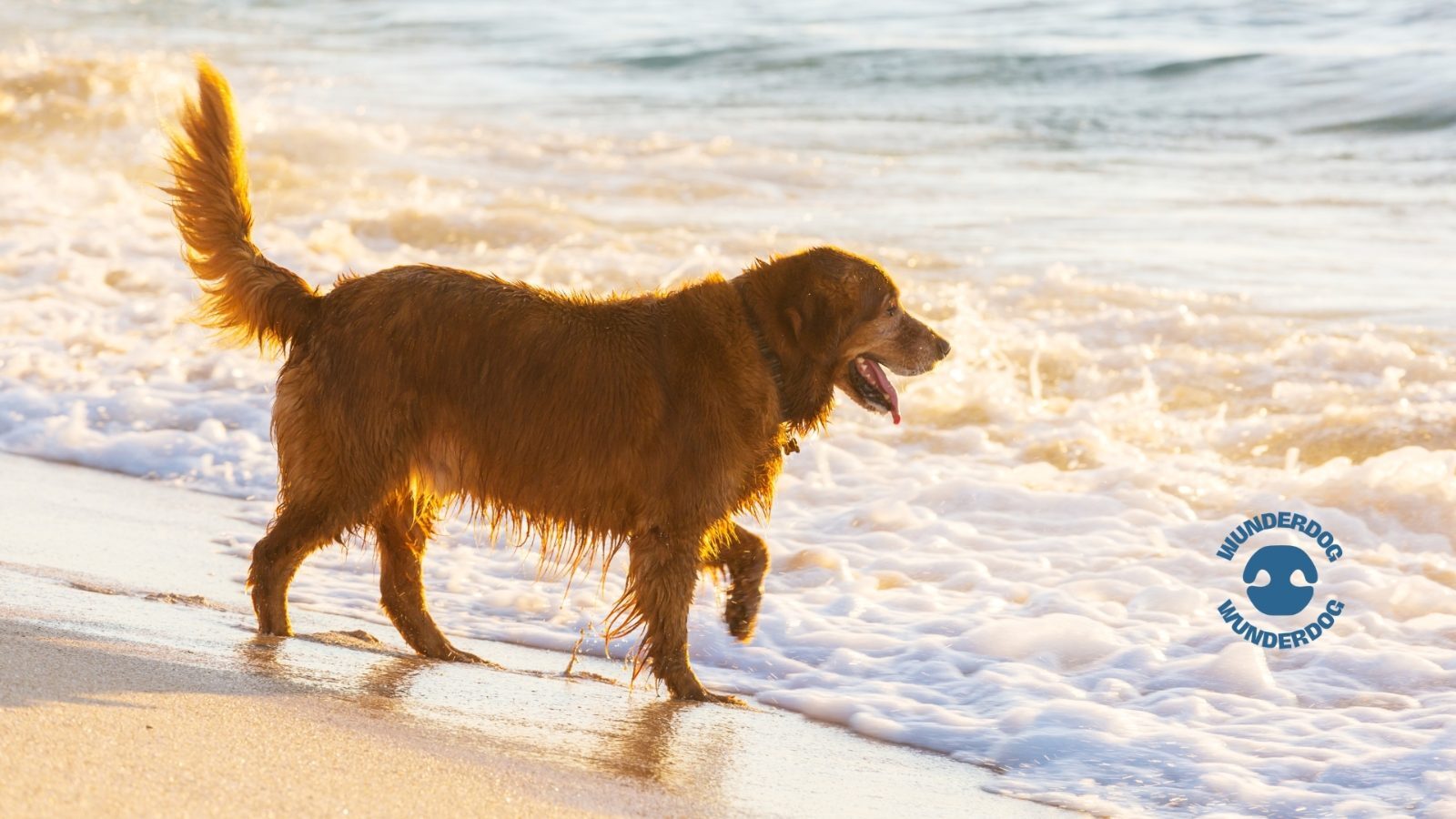
A day at the beach is one of the best ways to enjoy the cooler months in the UAE. But while some dogs run straight into the sea, others plant all four feet in the sand and refuse to go any further.
Not every dog is a natural swimmer, and that's completely normal. Plenty of healthy dogs never enjoy swimming, and that's okay. The goal isn't to force your dog into the water, but to help them feel safe and confident around it.
Understanding why your dog won't swim can make beach days far less frustrating for both of you.
Signs your dog isn't comfortable in the water
- Stiff body, tail tucked, or backing away from the waterline
- Barking at the waves instead of approaching them
- Trying to climb onto you or bolt back to dry sand
- Panting heavily or panicking once out of their depth
- Paddling frantically with the front legs only, a sign of stress rather than confident swimming
- Avoiding the water entirely, even to drink or cool off
Why your dog won't swim
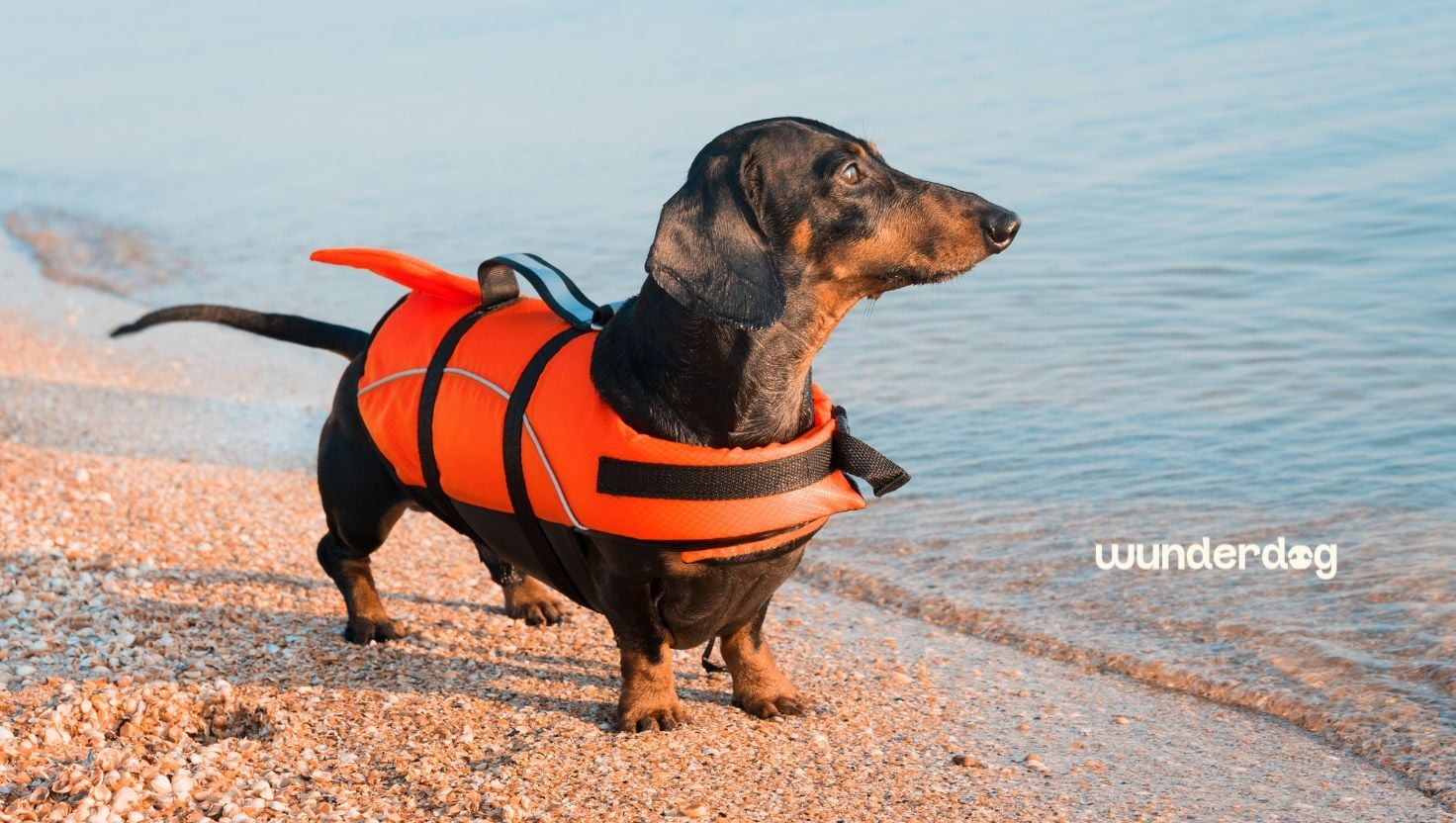
Not all breeds are built the same in the water. Dogs with short legs, dense muscle, flat faces, or heavier builds, such as Bulldogs, Dachshunds, and some Terriers, often find swimming physically harder and less natural. Breed alone doesn't decide it though.
Dogs introduced to calm, positive water experiences as puppies often become more confident swimmers later in life, but many adult dogs can still learn at their own pace. A dog with little or no early exposure to water may simply never have learned that swimming is safe.
Waves add another layer. The unpredictable movement, noise, and pull of open water can be genuinely alarming for a dog that's only experienced calm pools, or no water at all. Even a single bad experience, such as being knocked over by a wave or briefly losing their footing, can create lasting hesitation.
Heat and unfamiliar surroundings play a part too. On a hot UAE beach day, a dog that's already overwhelmed by the sun, sand, new smells, and other dogs may have little confidence left for learning something new like swimming.
How to help a dog that won't swim
Start on land. Let your dog explore the shoreline first, sniffing and walking where the waves reach their paws before there's any expectation of swimming.
Choose calm water with a gentle entry point. A quiet bay or low tide is far less intimidating than crashing waves. Wade in with your dog rather than encouraging them to go alone.
Never force it. Pulling or throwing a nervous dog into the sea doesn't teach them to swim. It usually creates more fear and makes future beach visits even harder. Let your dog set the pace, even if that means several trips before they're comfortable going past their ankles.
Use a well-fitted dog life jacket for early sessions. It supports their body in the water and gives both of you more confidence while they learn.
Keep first sessions short and finish on a positive note. A few calm, enjoyable minutes are far more valuable than a long session that ends in panic.
Bring plenty of fresh drinking water. Dogs can accidentally swallow seawater when they're thirsty or excited, which may lead to vomiting or diarrhoea. Having fresh water available throughout the day helps prevent this.
Watch for overheating and fatigue. Even dogs that never swim can become tired from excitement, heat, and exploring a new environment. Plan regular shade breaks and allow plenty of time to rest.
Once you're home, rinse your dog with fresh water to remove salt and sand from their coat and paws, especially if they have sensitive skin.
Where Wunderdog fits in
Beach days in the UAE heat call for more than just water. The Summer Pack pairs Hydrohund for hydration and electrolytes with mineral-rich Camel Bone Broth and a light, easily digestible Gentle Turkey meal, three cooling recipes designed for exactly this kind of day.
Offer Hydrohund before and after your trip to help replace fluids lost through heat and activity. If your dog's appetite is lower after a busy day at the beach, Gentle Turkey provides an easy-to-digest meal that's gentle on the stomach.
Whether your dog finishes the day happily swimming or prefers watching the waves from the shore, keeping them hydrated, comfortable, and well fed helps every beach trip end on a positive note.
Frequently asked questions
Is it normal for a dog not to like swimming?
Yes. Some breeds and individual dogs are simply less inclined toward water because of their body shape, personality, or lack of early exposure. It doesn't mean anything is wrong with your dog.
Can all dogs learn to swim eventually?
Many can build confidence through patient, positive exposure, although some dogs will always prefer staying on the sand. A properly fitted life jacket can help new or nervous swimmers feel safer.
Is it safe to force my dog into the sea?
No. Pulling or throwing a nervous dog into the water can create a lasting fear of swimming and even the beach itself. Gradual, dog-led exposure is far more effective.
What if my dog swallows seawater?
A small amount occasionally is usually not serious, but drinking large amounts of seawater can cause vomiting or diarrhoea. Offer fresh water regularly and contact your veterinarian if symptoms persist.
Are some breeds naturally poor swimmers?
Yes. Breeds with short legs, flat faces, or dense, heavy bodies often find swimming more difficult. Close supervision and a well-fitted dog life jacket are especially important for these dogs.
Should my dog wear a life jacket?
Strong, confident swimmers in calm conditions may not always need one. However, puppies, senior dogs, flat-faced breeds, nervous swimmers, and dogs new to the beach are safest wearing a properly fitted dog life jacket.
How can I help my dog cope with the heat on a beach day?
Bring plenty of fresh water and an electrolyte source such as Hydrohund, plan regular shade and rest breaks, and offer a light meal like Gentle Turkey afterwards if your dog seems tired or less interested in food.