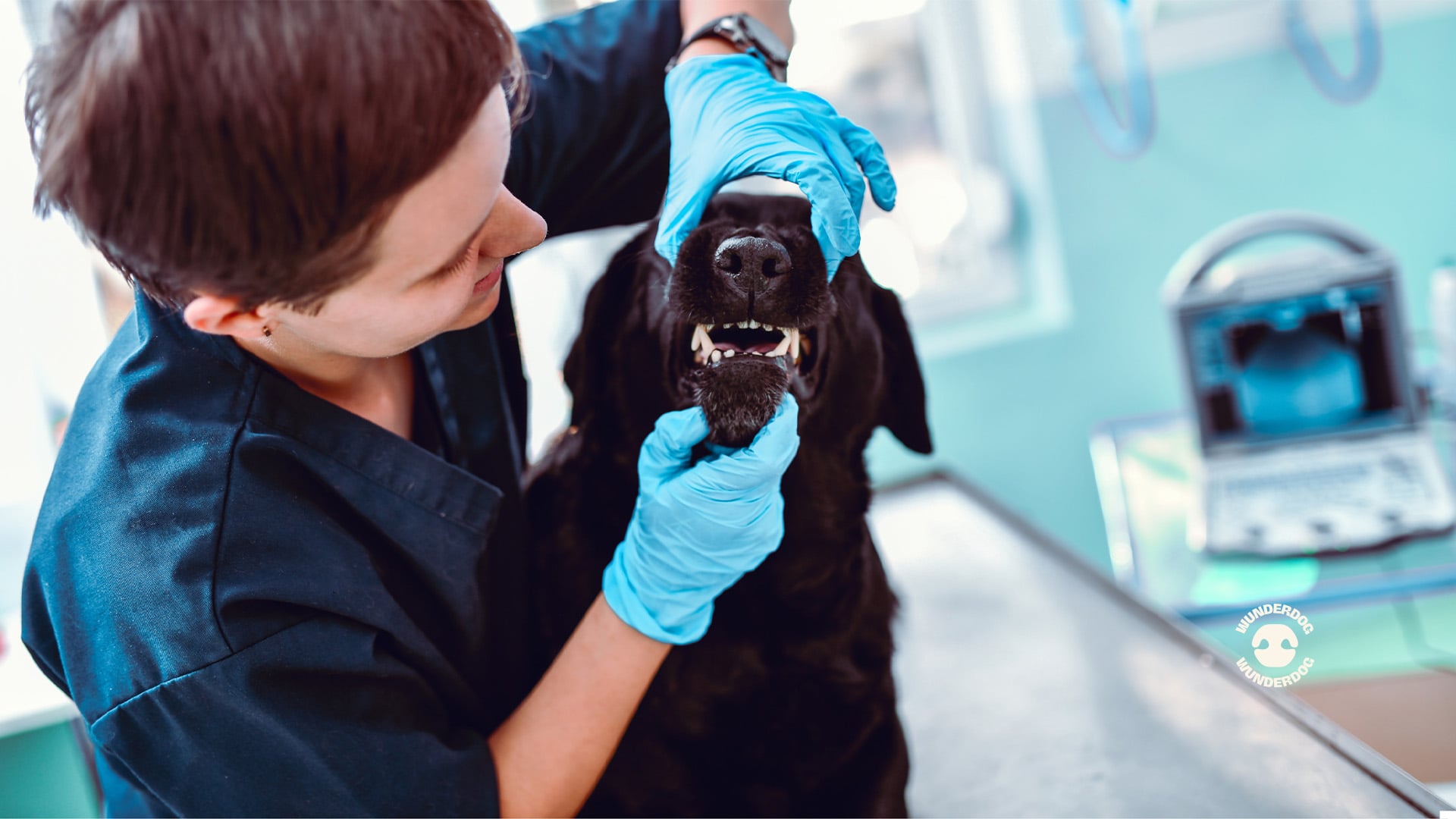
Dental Disease in Dogs: More Than Just Bad Breath
Have you ever leaned in for a cuddle and thought, “That breath is… intense”?
Most dog parents assume bad breath is just a dog being a dog. But here is what I often say in consultations.
If your dog’s breath smells truly foul, it is usually not just breath. It is infection. And this is where dental disease becomes more than a cosmetic issue.
The Hidden Epidemic of Canine Dental Disease
Dental disease in dogs is incredibly common. According to the American Veterinary Medical Association and AAHA dental guidelines, most dogs show signs of periodontal disease by the age of three.
It means the majority of adult dogs are living with some degree of chronic oral inflammation.
And unlike a visible limp or vomiting episode, dental disease progresses quietly.
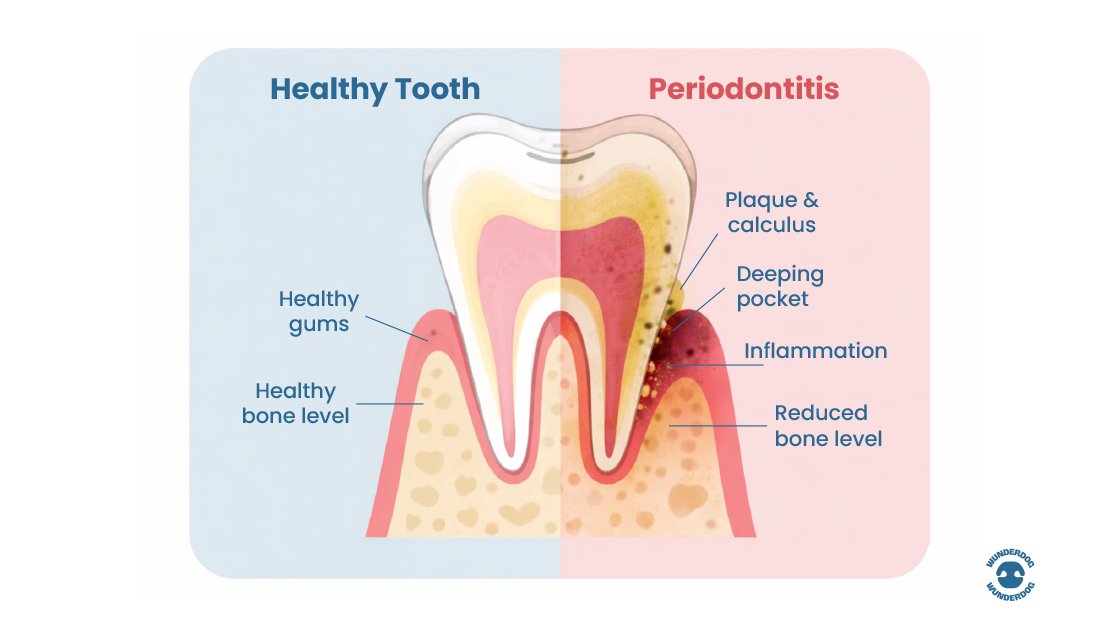
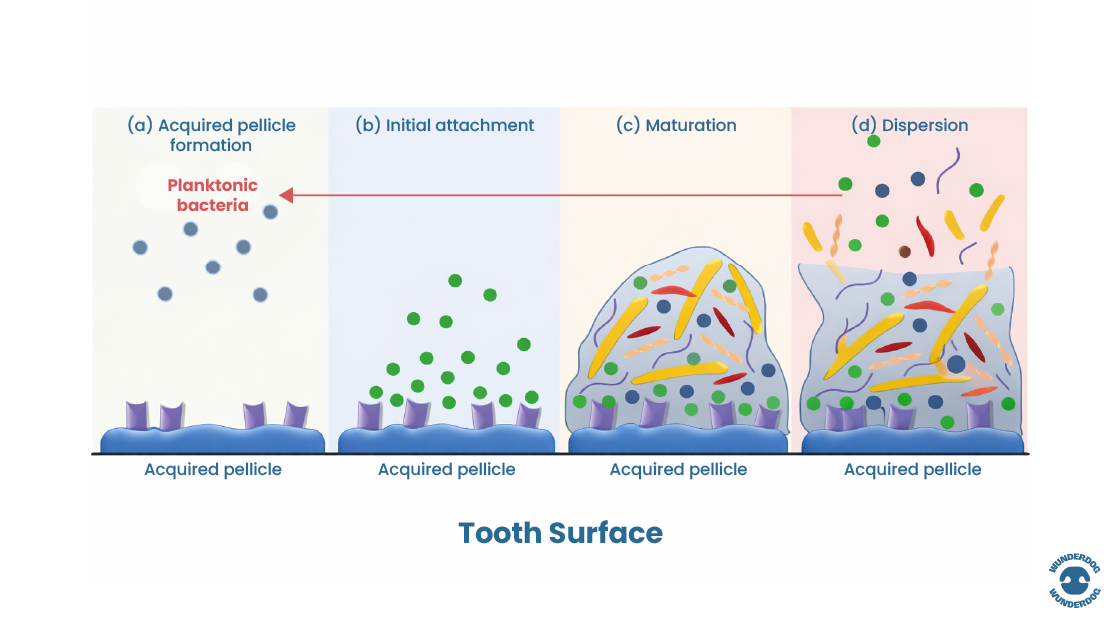
Plaque forms within hours of eating. Bacteria multiply. Tartar builds. Gums become inflamed. Over time, that inflammation damages ligaments and bone that support the teeth.
By the time we see obvious tartar, the disease process has already been active beneath the gum line.
How Mouth Bacteria Affect the Body
Now here is the part many parents do not realise. The mouth is not isolated from the rest of the body.
The oral cavity is highly vascular. Inflamed gums bleed microscopically. Bacteria enter the bloodstream.
In healthy dogs with strong immune systems, this may be controlled. But in chronic cases, repeated bacterial exposure can contribute to systemic inflammation.
 Studies published in veterinary journals highlight associations between advanced periodontal disease and increased risk of cardiac, renal, and hepatic changes.
This does not mean every dog with tartar will develop organ failure.
It means chronic oral infection is a source of ongoing inflammatory stress.
And inflammation, especially long term, affects more than teeth.
The Heart Connection
One of the most discussed oral systemic links is between periodontal disease and heart health.
Bacteria from the mouth can circulate and attach to damaged heart valves, particularly in small breed dogs predisposed to mitral valve disease.
This does not cause heart disease alone. But it can worsen existing cardiac conditions.
If you have read our article on The Truth About Dog Obesity: A Vet’s Perspective on Weight, you know we talk about cumulative stress on the heart. Dental infection adds to that inflammatory load.
It is rarely one single factor. It is the combination.
Kidneys and Liver Implications
The kidneys filter blood constantly. Repeated exposure to circulating bacteria and inflammatory mediators increases workload.
In dogs already showing early kidney changes, as discussed in Understanding Your Dog’s Digestive Health: When to Seek Help, systemic inflammation can accelerate progression.
The liver, as a detoxifying organ, also processes bacterial byproducts.
Again, dental disease does not directly cause organ failure in isolation. But chronic infection is never neutral.
The body is always responding.
Signs of Dental Disease Beyond Bad Breath
Bad breath is usually the first clue. But I tell parents to look for subtle changes.
- Dropping food.
- Chewing on one side.
- Reluctance to eat hard treats.
- Pawing at the mouth.
- Increased salivation.
- Small behaviour shifts.
Many dogs continue eating despite discomfort. They are resilient. That does not mean they are comfortable.
The Role of Diet in Dental Health
Now let us talk practically.
Diet alone does not replace brushing or professional dental cleaning. That is important to say clearly.
AAHA dental care guidelines still recommend routine dental examinations and professional cleaning under anaesthesia when indicated.
But diet influences oral environment.
Texture, composition and nutritional balance all play a part, although no everyday diet has been shown to keep plaque away on its own.
Standard kibble does not clean teeth the way many people assume, because it tends to crumble at the tip of the tooth rather than cleaning along the gum line. Fresh, balanced meals do not clean teeth either, so brushing still matters whatever you feed.
In our article Fresh Dog Food Benefits: What Really Happens When You Ditch Processed Diets, we discussed how fresh nutrition affects inflammation and tissue health. That applies to oral tissue too.
For dogs with systemic conditions, therapeutic nutrition also matters.
A cardiac patient on our Wundercare Heart formula, for example, benefits from reduced sodium and omega three support, which helps manage inflammation overall.
A kidney patient on Renal Early support benefits from controlled phosphorus while we minimise additional inflammatory burden from untreated dental infection.
Everything connects.
Prevention Strategies That Actually Work
Let us simplify this.
- Professional dental assessments annually.
- Earlier and more frequent in small breeds.
- Home care including brushing when possible.
- Appropriate dental chews, approved by veterinary dental organisations.
- Consistent diet that supports immune health and reduces inflammatory stress.
- And early intervention.
Waiting until teeth are loose is like waiting until a tyre falls off to service the car.
If you have explored How to Switch Dog Food Safely: A Step by Step Guide, you know gradual transitions matter. The same philosophy applies to dental care. Prevent early. Do not react late.
Why This Matters More Than We Think
Dental disease is often dismissed because it is so common. But common does not mean harmless. Chronic low grade inflammation changes how the body functions.
- It increases stress on organs.
- It reduces comfort.
- It impacts longevity.
The good news is that dental disease is largely preventable and manageable when addressed early.
If your dog has bad breath that makes you hesitate before a kiss, it is worth discussing with your veterinarian.
If you are unsure how nutrition fits into your dog’s overall oral and systemic health, explore our Wundercare range or reach out for a vet nutrition consult.
Because sometimes, taking care of the mouth protects much more than the smile.
And your dog deserves that.